
Submission Benefits: Students

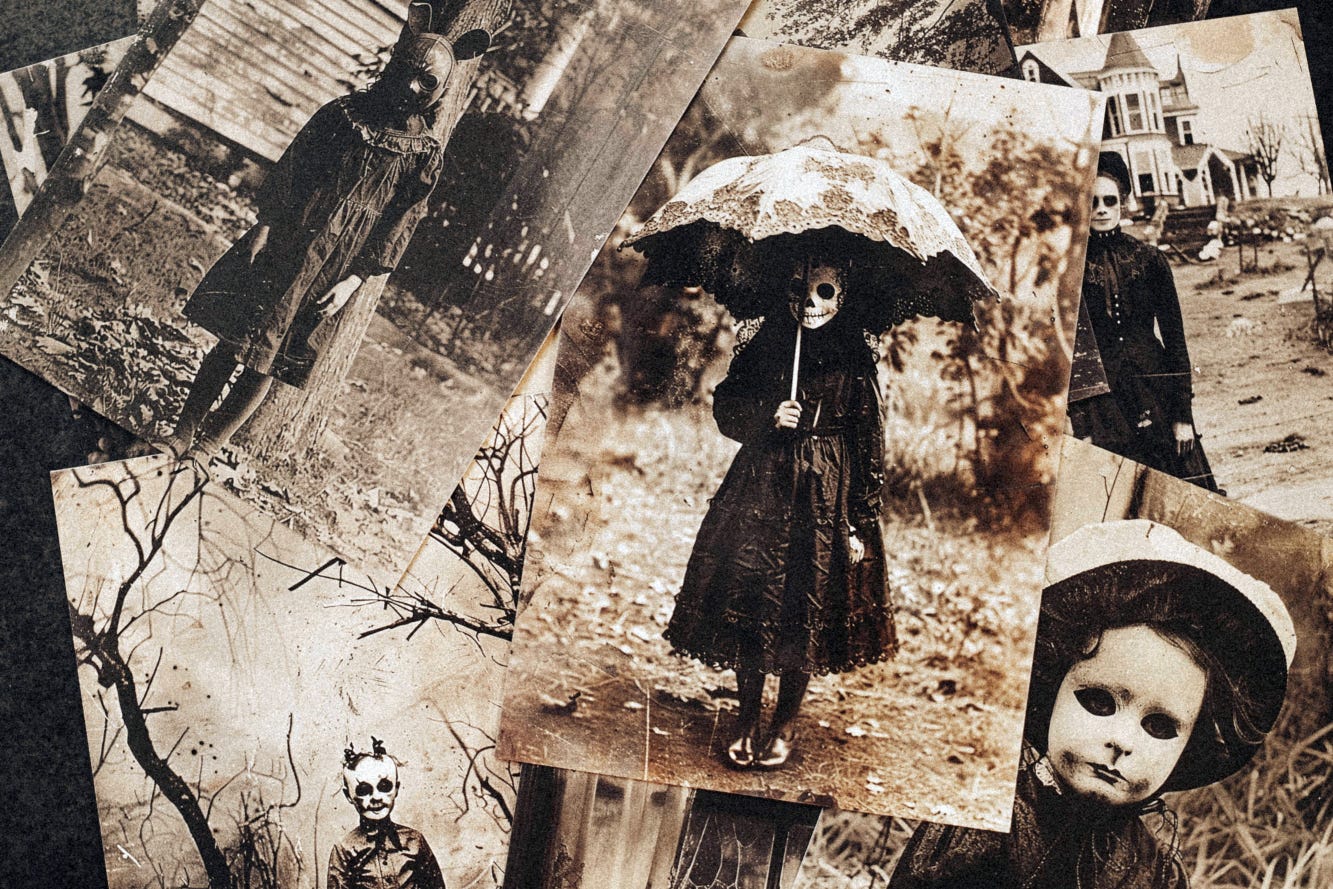
If you write prose and poetry that lives at the edges – where the familiar turns strange and atmosphere works as hard as the plot – then GossamerWight was made with you in mind. Here, work that belongs to the shadowed, the strange, and the luminous edge of the uncanny finds not just a publication credit, but the right audience. Whether you study English literature, creative writing, or a related field at undergraduate or postgraduate level, we are especially drawn to writing that dwells in that charged space where atmosphere, unease, and imagination meet. If your work moves toward horror, folk horror, the weird, the New Weird, the spectral, the speculative, the dystopian, the fantastical, the gothic, or the uncanny, submitting to one of our online anthologies gives your work the chance to reach readers who are already seeking precisely this kind of writing.
Visibility and readership
One of the most immediate benefits of submitting to GossamerWight is visibility. An audience will read your work with a genuine interest in the genres and subgenres we champion, which increases the likelihood of meaningful engagement beyond the seminar room or workshop. Because our publication is online, your work can travel far beyond your campus or region, reaching readers anywhere in the world with an internet connection – and doing so under your name, as a published author.
Professional presence
Publication in a respected literary magazine can also strengthen your academic and professional profile. An accepted piece provides tangible credit for your author biography, curriculum vitae, graduate applications, or early-career job prospects in literary editing, copywriting, journalism, content strategy, or related fields. Our online archive of anthologies also gives your work a lasting presence, allowing it to remain searchable and linkable.
Community and connection
We also value the sense of connection that can grow around a literary magazine. As a student contributor, you would find yourself part of a wider circle of writers, readers, and editors who share a common aesthetic interest – many of them working professionals in publishing, editing, and the literary arts. The relationships and conversations that develop around a literary magazine can be as formative as the publication itself, and we hope GossamerWight will continue to nurture that community as our magazine develops.
Editorial care and creative growth
For work we accept, we aim to offer brief editorial notes as part of our editing process. Even a small response can be useful, helping you recognise what’s already strong in a piece and where you might refine it further. This external perspective can complement your academic supervision, helping you recognise what’s already strong in a piece, or where you may further refine voice, structure, and craft. Reader comments, social sharing, and newsletter engagement may also offer a useful sense of how your work resonates with an audience.
Career development
Publication history can also support your wider career goals. Work published in a literary magazine may help when applying for contests, awards, postgraduate programmes, or opportunities that require evidence of prior publication. It may also introduce your writing to editors, agents, and small presses that monitor specialist magazines for emerging voices, while giving you hands-on experience with submission workflows, deadlines, and promotion.
Rights and future use
We believe writers should retain ownership of their work; that includes student writers, whose creative output is entirely their own. At GossamerWight, you will always keep the copyright to your own work, while we hold the collective copyright in the issue or anthology in which it appears. If your work is later republished elsewhere – in an anthology, a journal, or as part of a future collection – we ask that you acknowledge its original appearance with us, for example: “First published in GossamerWight Literary Magazine, issue [issue name].” Understanding and asserting your rights as a writer is a professional skill, and clear rights terms are standard practice in literary publishing.
Creative freedom
Genre-focused magazines also offer a creative freedom that academic contexts do not always provide. We welcome work that takes risks – an unusual structure, a hybrid form, an unsettling atmosphere, or a thematic reach that pushes against convention. For student writers navigating the expectations of assessed work, GossamerWight offers a space where the criteria are purely literary: does the piece unsettle, resonate, and surprise? We cannot guarantee acceptance, of course, but we do promise to read submissions with care and attention, and to value work that engages with our editorial interests in original and thoughtful ways.
Digital and physical print anthologies
Alongside our quarterly digital anthologies, we’re building toward a future in print, with plans for an annual printed anthology.
While we do not offer payment or royalties to our successful anthology contributors, we can provide them with a free PDF and ePub anthology in which their work appears, before the edition goes on open, priced release. We’ll also consider work we accept for inclusion in future annual print anthologies, drawn from our quarterly online editions and, where appropriate, a theme-specific open call. Acceptance in a digital publication with GossamerWight might then become part of something that extends beyond the digital page alone.
If you’re thinking of submitting, we hope you’ll do so with confidence. A strong submission is not simply a chance to be published; it’s also a way of sharing work with readers who are ready to meet it with attention, curiosity, and care. If your writing belongs to the shadowed, the strange, or the luminous edge of the uncanny, we would be glad to read it.
What next?
To guide you further, please visit the following sections of our Substack or main website:
Our Team – meet the editors and learn more about the magazine’s voice.
FAQs – quick answers to common questions.
Submissions: General Guidance – read the full requirements before you submit.
Current anthology call – see our home page for the open theme and deadline.
Not Selected? Read Me – helpful guidance for all submitters, including how we select work.
Our Anthologies – explore previously published work and get a sense of our magazine’s style by examining the linked example.
Voluntary fees: we accept voluntary fees (‘tip jar’ payments) for all submission types. Should you wish to tip, please use our Buy Me A Coffee link below. Thank you!
